HetViro – A Virus-Based Solution for Controlling Heterobasidion Root Rot


We aim to improve forest health by controlling Heterobasidion root rot using a method based on naturally occurring viruses.
Heterobasidion root rot causes significant losses in forestry
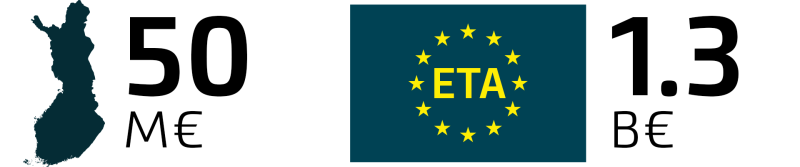
Heterobasidion root rot fungi cause tens of millions of euros in economic losses in Finland by decaying and killing our most common coniferous tree species, spruce and pine. The annual economic losses caused by spruce root rot alone have exceeded €50 million in Finland and are estimated at €1.3 billion across Europe. These losses are expected to increase further in the future. In addition, root rot makes forests more vulnerable to bark beetle infestations and wind damage.
Heterobasidion spreads through root contacts from infected stumps to the next generation of trees, making the disease extremely difficult to control once it has become established at a site. Existing control methods are insufficient to eliminate established infection centres within forest stands, despite the availability of chemical and biological stump treatment products.
Naturally occurring viruses as a solution
Our targeted solution harnesses viruses that slow the growth of Heterobasidion fungi to limit the spread of the disease through root systems to healthy trees.
Heterobasidion fungi naturally host a wide variety of viruses, some of which weaken the fungi. Luke has been investigating their potential for controlling root rot in coniferous forests for many years. We have also patented a combination treatment using two viruses that weaken Heterobasidion growth in Europe.
Laboratory and field trials have shown that these viruses can effectively slow fungal growth by up to 90% under the best-performing conditions. However, some fungal strains are resistant to the viruses, so we are also identifying additional, more effective viruses. Complementary solutions are likewise needed to address Heterobasidion species affecting forests in Asia and North America.
The HetViro project aims to identify the best pathway for commercialising an effective and safe solution for controlling Heterobasidion root rot.
Key benefits

More healthy sawlogs for sale
Timber value can decrease by up to 70% when wood intended for sawlog production is downgraded to energy wood.

Healthier, faster-growing and more resilient forests for the future
Our control solution would protect the next generation of trees while improving forest health, vitality and timber production.

Better control of root rot in conifer-dominated forests
Alongside converting to deciduous tree species, our solution offers the only viable method for controlling Heterobasidion root rot in forest stands where the disease is already present.