Restoring wetlands to tackle climate change: Luke and partners examine the impacts
Wetlands store vast amounts of carbon, but when they dry out, they can become significant sources of greenhouse gas emissions. Increasing efforts are being made to restore wetlands across Europe, but more information is still needed on the impacts of restoration measures. A Europe-wide research project coordinated by the Natural Resources Institute Finland (Luke) has been working to fill this knowledge gap.
Peatlands, floodplains and other wetlands cover only around 5–6% of the world’s land surface, yet they store nearly one-third of the world’s soil organic carbon. When wetlands dry out, some of this carbon is released into the atmosphere.
European wetlands have been drained for agriculture and forestry for centuries. Wetland restoration, by contrast, has only been carried out for a few decades, and relatively little is known about its long-term impacts.
“When wetlands are restored, there is often little follow-up to see what happens afterwards,” says Senior Scientist Liisa Ukonmaanaho from Luke. She coordinated the ALFAwetlands research project, which studied wetland restoration across Europe for four and a half years. The project completed in November 2026.
According to Ukonmaanaho, the impacts of restoration can sometimes conflict with one another. A measure that benefits the climate may, for example, have adverse effects on water bodies, landowners’ livelihoods or recreational use. The impacts also depend on the type of wetland and the restoration methods used.
“Our main objective was to mitigate climate change, but at the same time we wanted to take biodiversity and social acceptability into account.”
Research sites in nine countries
Researchers worked in nine countries, establishing a local Living Lab, a research and innovation environment, in each of them.
“We mainly selected sites that had already been restored, as some of the impacts of restoration only become visible after several years,” Ukonmaanaho says.
In Finland, for example, the research focused on drained peatland forests. Some of these are to be restored by blocking ditches and thereby raising the water table. Wetlands have already been constructed in these areas to retain nutrients that may be released as a result of restoration.
At some of the peatland forest sites, continuous-cover forestry was studied as a way of reducing the need for drainage and maintaining a higher water table.
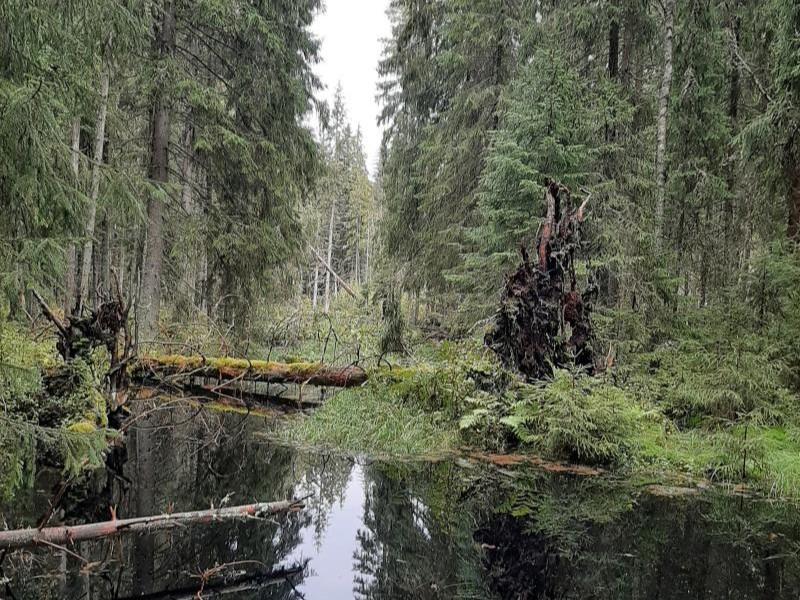
In Latvia, the research sites consisted mainly of former peat extraction areas where approaches such as berry cultivation and afforestation had been tested. In Spain, researchers studied coastal wetlands and floodplains as well as a mountain wetland where intensive grazing had been reduced by fencing.
“The sites and restoration measures vary greatly across Europe, but we were able to use common research methods. Researchers also learned from one another’s experiences.”
Mapping Europe’s wetlands
Among the project’s outputs were guidelines for measuring greenhouse gases, collecting biomass and microbial samples, and co-creation, meaning ways of involving landowners, residents and other local stakeholders in planning and assessing restoration.
According to Ukonmaanaho, one of the project’s most significant results was the European Wetland Map, which provides information on the location, extent and types of wetlands across Europe.
“We brought together wetland data from different countries and supplemented the existing information. We also mapped areas where restoration could significantly reduce greenhouse gas emissions.”
The work made use of remote sensing, among other methods. The project also developed methods for assessing and modelling the impacts of restoration.
“We also produced an online tool that provides guidance particularly for peatland restoration.”
ALFAwetlands in a nutshell
Project: ALFAwetlands – Wetland restoration for the future
Objective: To increase knowledge of wetlands and their restoration and assess the impacts of restoration on climate, biodiversity, ecosystem services and society.
Luke’s role: Luke coordinated the project and led the work package (WP5) examining the economic and societal impacts of wetland restoration. Luke also contributed to research in other work packages.
Duration: 6/2022–11/2026
Total budget: EUR 8.0 million
Funding: EU Horizon Europe programme